



In public transportation, we spend a lot of time talking about big fixes like pay raises and new buses. But our recent survey of 400 bus operators across North America and Europe found that one of the most powerful tools for keeping drivers happy is actually much simpler: high-quality, real-time support.
Right now, 64.5% of drivers say they want to stay with their current employer. They are committed to the mission of serving their communities. The best way to support that commitment is to make sure they never feel alone when they are out on the road.
The Power of Connection
For a driver, the hardest part of the day isn't the driving - it’s the uncertainty. When a delay happens, the driver is the one who has to talk to the passengers. If the driver has the right information at their fingertips, they feel like a professional in control of the situation. If they don't, they feel isolated.
Our data shows just how much of a difference good communication makes:
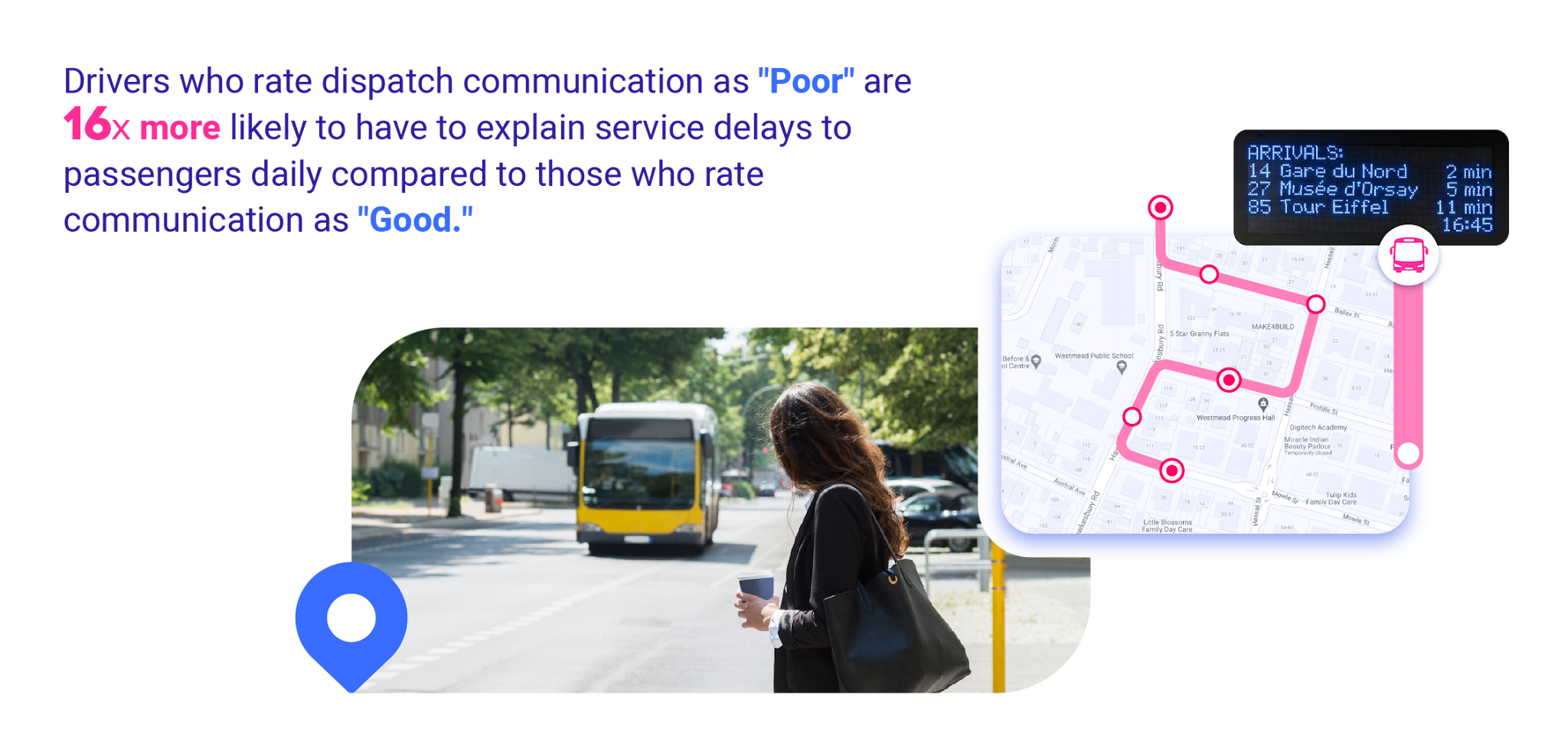
- Reducing Stress: Drivers who feel well-supported by dispatch are 16x less likely to be frustrated dealing with daily passenger frustration. When the depot and the driver are in sync, the driver can provide better service with much less stress.
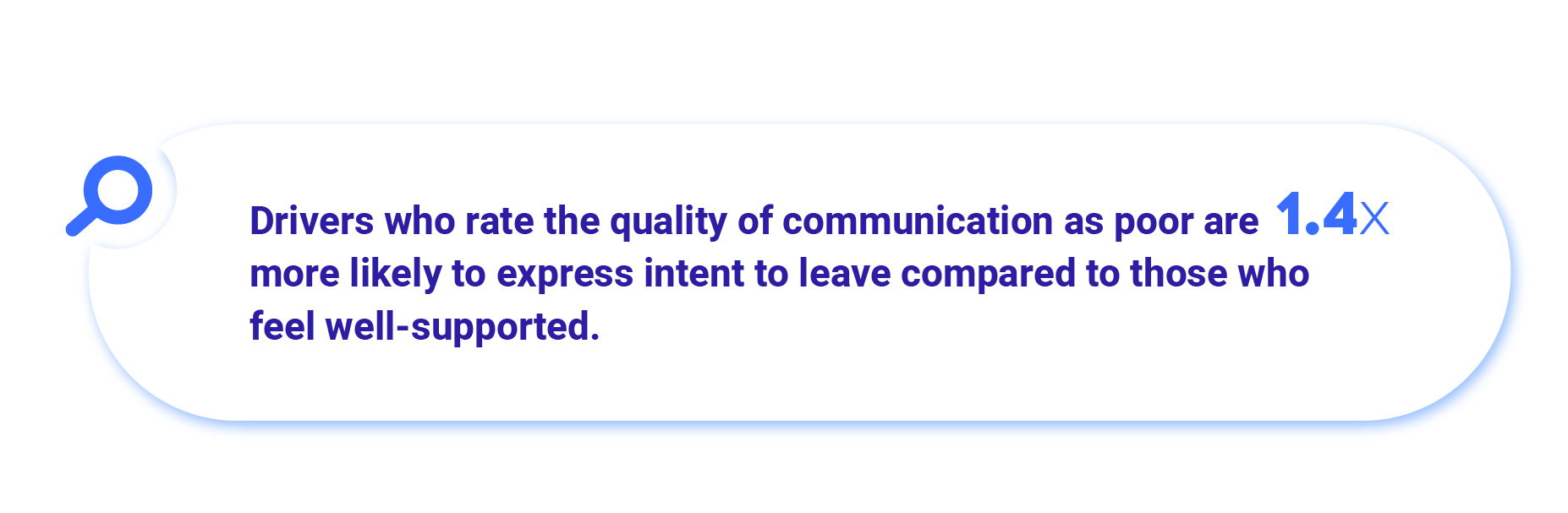
- Building Trust: When communication is clear and easy, drivers are significantly more satisfied. In fact, a driver who feels they can always reach dispatch for help is 4X more likely to stay for the long term.
The Opportunity for Large Bus Fleets
Our survey found an interesting trend: as transportation agencies get bigger, it often becomes harder for information to reach the driver. In fleets with over 200 buses, 72% of drivers felt that communication during incidents could be improved.
This is actually great news because it points to a clear "quick win." By updating the tools we use to talk to drivers - such as moving away from crowded radio channels and toward simple, digital apps - large agencies can immediately make their drivers feel more supported and less "lost in the machine."
The Operational Fix
The fix isn't about working harder; it’s about working smarter with better tools. Platforms like Optibus bridge the gap between the office and the bus.
- Real-Time Updates: Instead of waiting for a radio call, drivers get instant alerts about route changes or delays directly in the bus panel.
- Two-Way Support: Drivers can easily check in with dispatch, ensuring they always have "backup" when they need it.
- Empowered Drivers: When a driver has the same information as the passengers (or better), they can lead with confidence.
Conclusion: Leading with Support
Driver retention is about more than just a paycheck; it’s about the daily experience of the job. By closing the communication gap between bus drivers and the depot, we remove the "information isolation" that causes burnout.
When we give drivers the support they deserve, we aren't just improving our operations - we are showing our team that we have their backs. That sense of partnership is exactly what keeps great bus drivers behind the wheel for years to come.
Further Reading: