



The global transit industry is facing a difficult challenge. Around the world, there is a shortage of 2.4 million workers, and 1 in 4 transit employees is expected to retire by 2035.
Our recent survey of 400 bus drivers across North America and Europe found a massive opportunity: 64.5% of drivers genuinely want to stay in their roles.
This means the workforce isn’t simply looking for the exit; they are looking for a way to make the job work for their lives. The key to keeping that 64.5% is realizing that drivers are not all the same. A 25-year-old starting their career has very different needs and "exit triggers" than a 62-year-old veteran.
To solve the driver retention crisis, employers must move toward generational retention strategies. Firsthand survey data from drivers of different ages shows that by tailoring the work environment to meet drivers where they are in their lives, you can turn a staffing risk into a major advantage.
The Next Gen Driver (Ages 18-28): Empowerment Through Choice
Younger drivers are the future of transit, but they can be the hardest to keep. They are entering the workforce at a time when flexibility and public transportation technology are expected, not just considered perks.
The Data: The Predictability Multiplier
For younger drivers, the traditional "wait your turn" approach to scheduling is a major hurdle. Our data shows a massive Satisfaction Gap for this group:
- 74% of drivers aged 18-28 are satisfied when their schedules are predictable.
- When schedules are unpredictable, that satisfaction rate drops to just 23%.
Essentially, giving a young driver a stable schedule makes them over three times more likely to be happy at work. This group also listed a lack of input into their schedule as their top frustration. They want to know their voices are heard when it comes to balancing work and life.
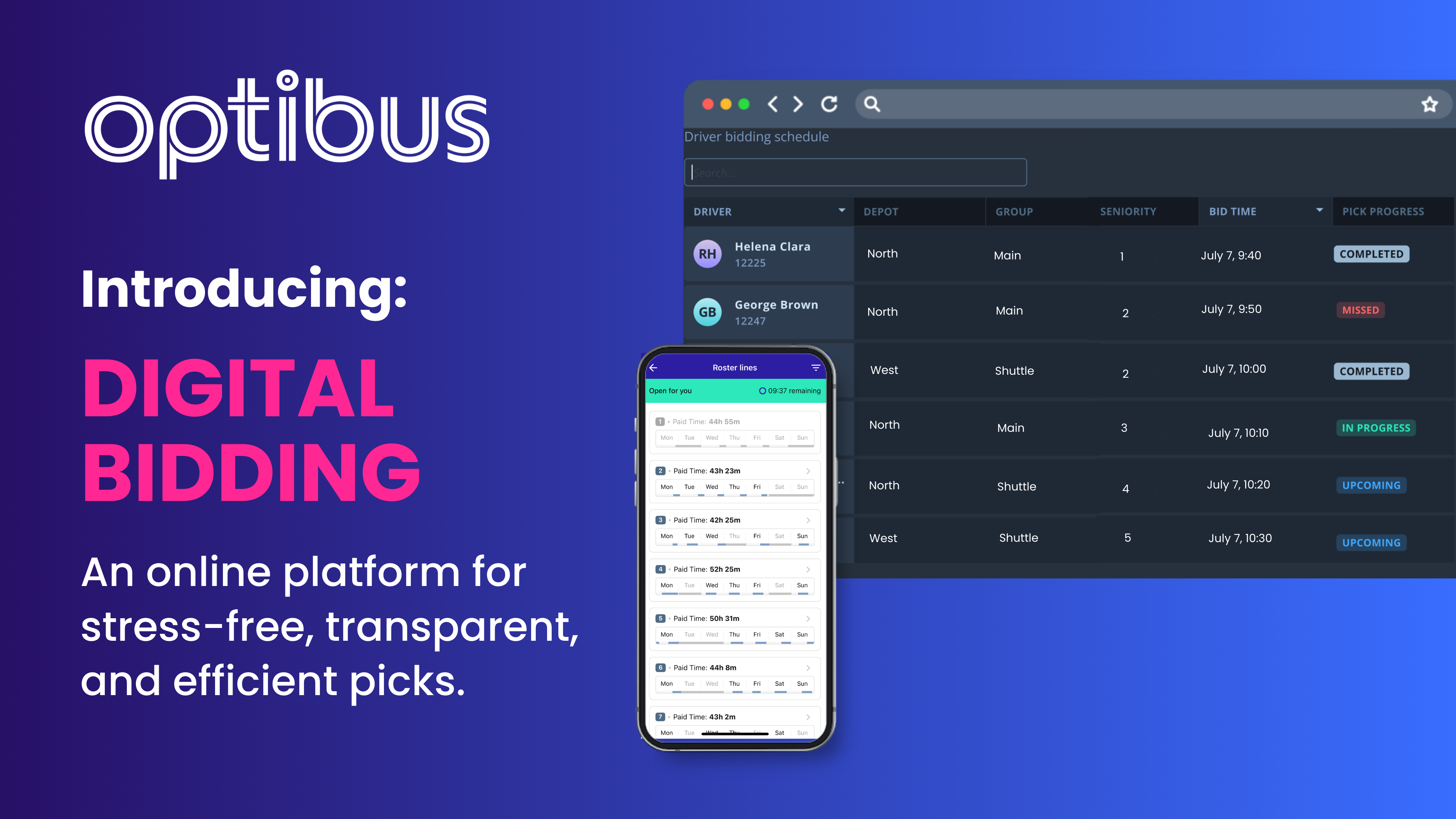
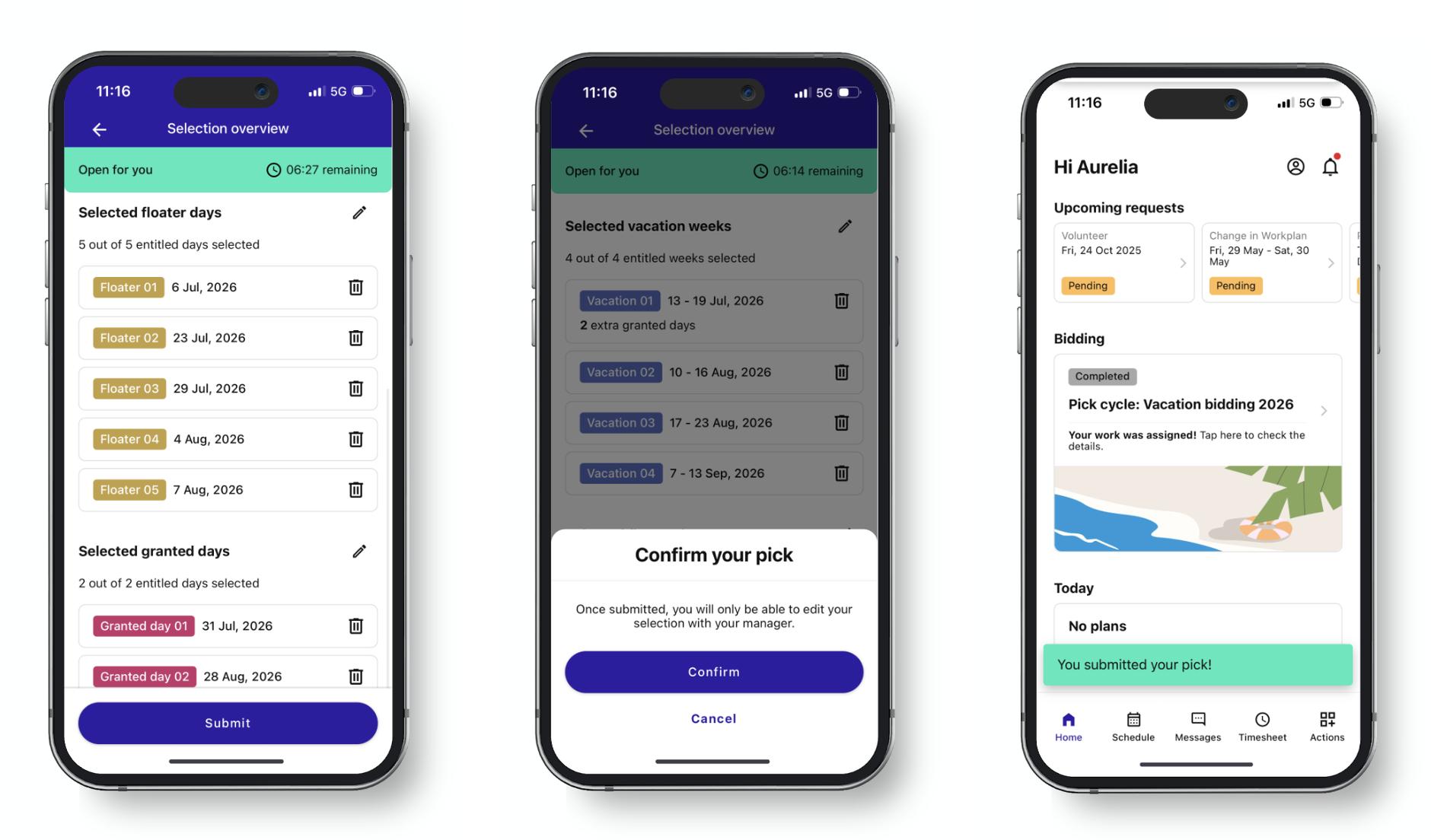
How to Support Them: Younger drivers aren't just looking for convenience; they are looking for modern standards. 84% of all drivers say mobile tools are valuable, but for Gen Z, they are essential. Using public transport software like Optibus allows for self-service shift swaps and preference-based bidding. When a driver can manage their work life on a smartphone, the job feels modern and empowering.
The Core Driver (Ages 29-60): Building Sustainable Careers
These drivers are the backbone of your operation. They are experienced and skilled, but they are also managing the most personal responsibilities, such as school runs, mortgages, and caring for family members.
The Data: The Overtime "Red Line"
Mid-career drivers are often willing to work extra hours, but our survey found a dangerous tipping point where "extra pay" becomes "too much stress."
|
Monthly Overtime Shifts |
Likely to Leave within 2-3 Years (Ages 29-60) |
|
1–2 |
8% |
|
3–5 |
14% |
|
6–10+ |
42% |
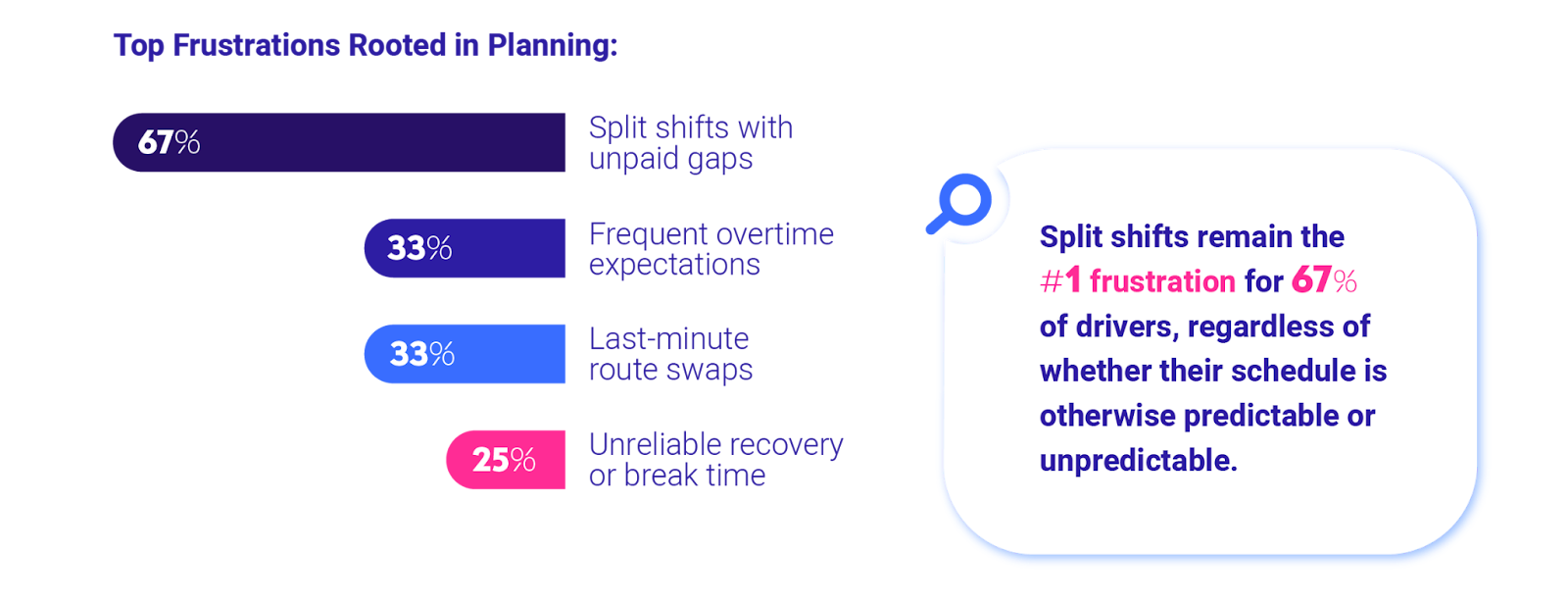
Once a mid-career driver works 6 or more unscheduled overtime shifts a month, the risk of them leaving triples. This is made worse by split shifts, which 67% of drivers say is their number one frustration. They aren't leaving because they don't like driving; they are leaving because the schedule is hurting their family life.
How to Support Them: Retention for this group is all about balance. By using AI-driven scheduling to create human-centric duties, agencies can protect a driver’s rest. For instance, Optibus uses fatigue-aware optimization to minimize long gaps and unpaid time, keeping these essential operators in the seat for the long term.
The Senior Driver (Ages 61-65): Honoring Experience with Stability
Veteran drivers bring irreplaceable value through their route knowledge and ability to mentor others. As they approach retirement, their needs shift away from autonomy and toward respect and stability.
The Data: The Communication Anchor
For seniors, the top frustration is last-minute route changes. After decades of service, they have earned a predictable routine. Our analysis found a massive link between communication quality and senior driver satisfaction:
- 68% satisfaction when communication is "Good or Excellent."
- 6.7% satisfaction when communication is "Poor or Neutral."
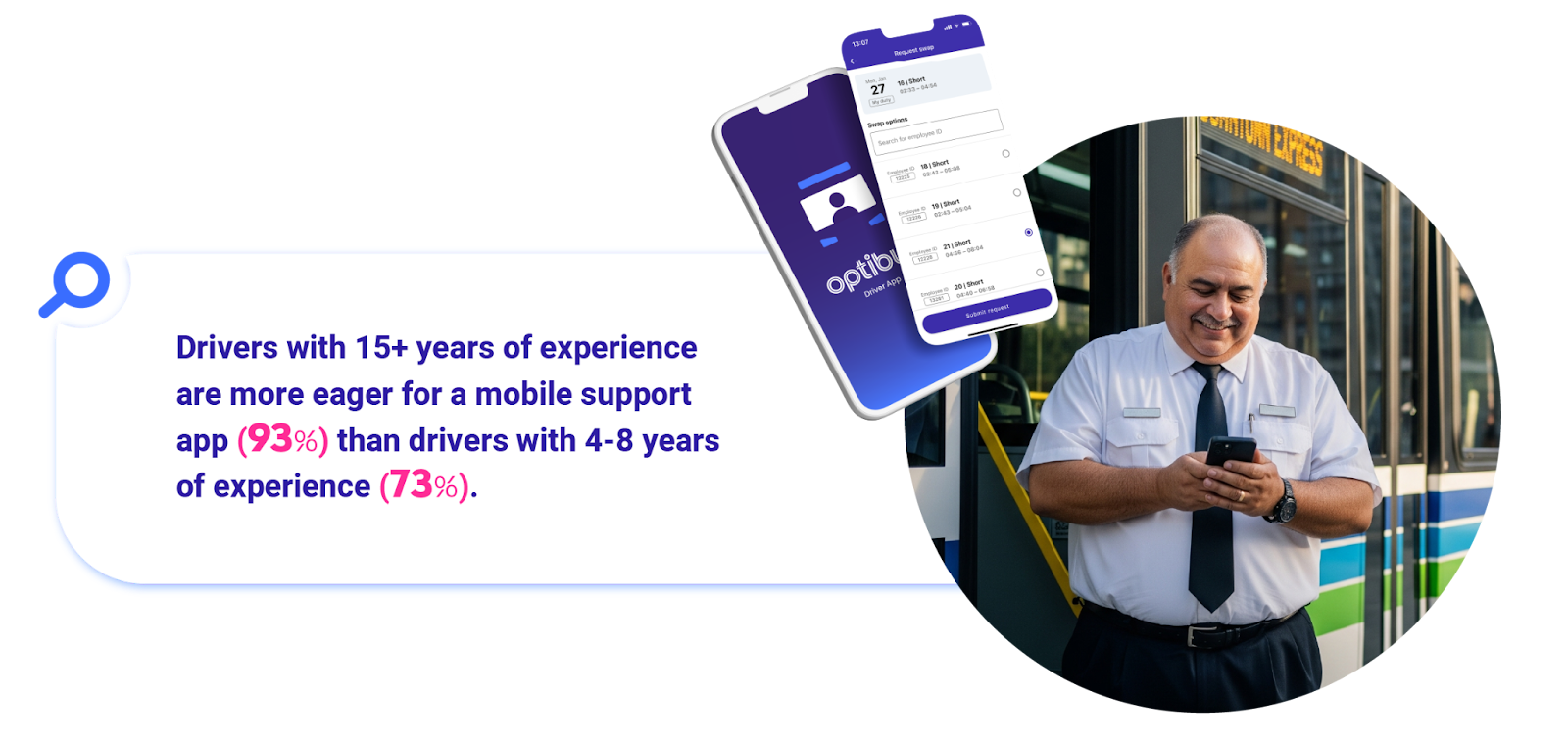
A senior driver who feels supported by clear communication is 10 times more likely to be satisfied. Surprisingly, 93% of veterans (15+ years of experience) want a mobile support app - even more than mid-career drivers. They aren't afraid of technology; they just want tools that make their day easier.
How to Support Them: Honoring seniority means providing tools that remove the stress of the unknown. Real-time alerts and digital schedule access ensure that the most experienced drivers are also the most supported. Optibus provides this unified platform, giving veterans the stability they deserve.
Conclusion
While different generations have different needs, one thing is true for everyone: Fairness creates trust. Drivers who believe the scheduling process is fair and transparent are 6x more likely to stay. Whether it is giving a 25-year-old more input, a 45-year-old more balance, or a 62-year-old more stability, the solution is operational.
Using public transportation software like Optibus allows agencies to meet these unique needs at scale.
The 64.5% of drivers who want to stay are your greatest asset. Keeping them doesn't mean you have to sacrifice service quality; it just means using the right technology to support the people behind the wheel.
If you’re ready to see how modern public transportation software can transform your driver retention, book a demo or explore Optibus.
Further Reading: